What Deep Cleaning Actually Means
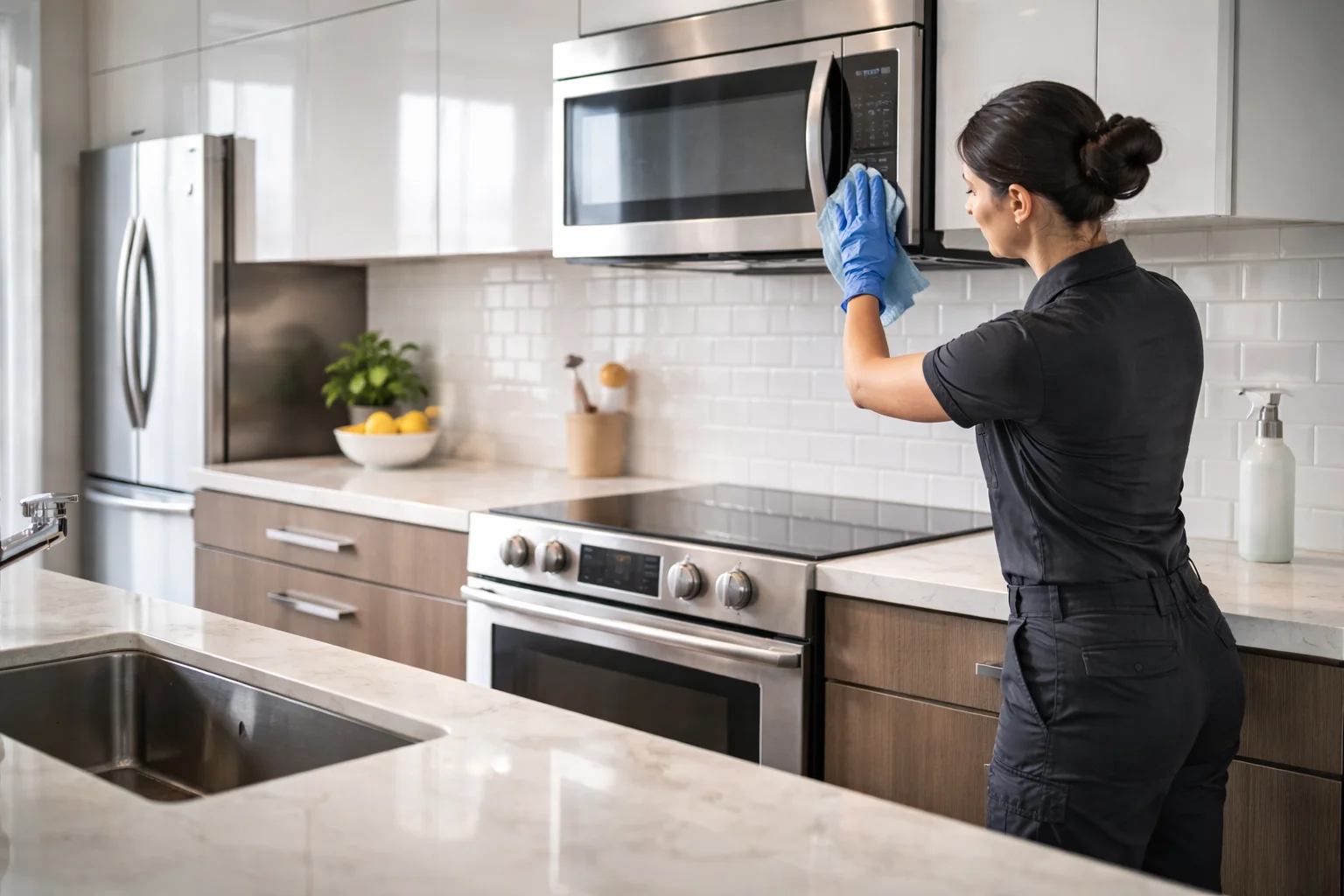
Deep cleaning is best understood as a serious reset when regular maintenance is not enough. That usually means removing buildup, heavy dust, grease, scale, residue, and dirt from the places routine cleaning tends to miss.
It is detailed, labour-intensive work, but it is still cleaning work. If you want to understand that standard more clearly, our deep cleaning vs regular cleaning guide explains the difference in more detail.
- maintains day-to-day appearance
- focuses on visible surfaces
- lighter detail work
- built for upkeep
- removes heavier buildup and residue
- goes deeper into neglected detail areas
- uses more time, labour, and product selection
- built for reset-level cleaning
What Remediation Means and Why It Is a Different Category of Work
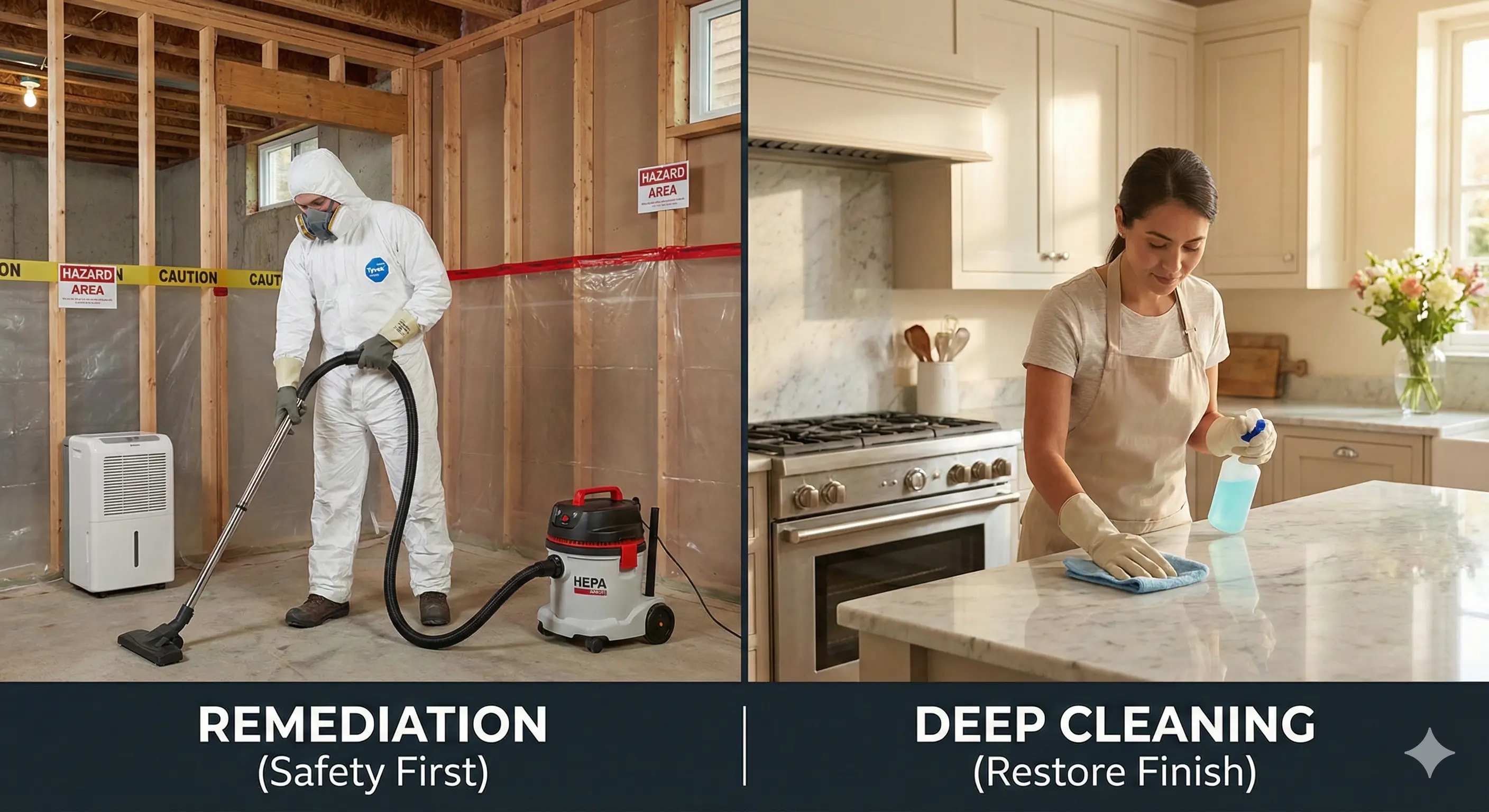
Remediation is not just a stronger cleaning job. It is hazard-focused work used when the real issue is health risk, contamination, or unsafe material that needs to be removed or contained properly. That is why mold remediation vs cleaning and sewage cleanup vs deep cleaning are not small wording differences. They are different categories of work.
The goal is not simply to make the home look better. The goal is to make the situation safer. That is why remediation often involves containment, disposal, specialized equipment, and procedures that are different from a standard deep clean.
Remediation Usually Means the Problem Is Bigger Than Dirt
- active mold or moisture-related contamination
- sewage or blackwater exposure
- biohazard risk
- heavy rodent contamination
- serious infestation-related waste or contamination
The Main Difference Between Deep Cleaning and Remediation
The simplest way to think about it is this: deep cleaning is for dirt, buildup, and neglected detail work. Remediation is for dangerous contamination or health-related hazards.
If the problem is unpleasant but not dangerous, deep cleaning may be enough. If the problem involves contamination that should not simply be wiped, scrubbed, or vacuumed in a normal way, remediation usually comes first.
What Deep Cleaning Should Not Be Used For
Deep cleaning should not be used as a substitute for remediation when the real problem involves contamination, active growth, or a health-related hazard. A deep cleaning team may be very thorough, but that does not turn a hazard problem into a normal cleaning job.
If the contamination should not be disturbed by normal wiping, sweeping, or vacuuming, it should not be treated as a standard deep clean first.
Do Not Treat These Like Ordinary Deep Cleaning
- active mold growth
- sewage or blackwater contamination
- biohazard exposure
- heavy rodent droppings, urine, or nesting waste
- contamination that may become airborne when disturbed
When Deep Cleaning Is Usually the Right Service
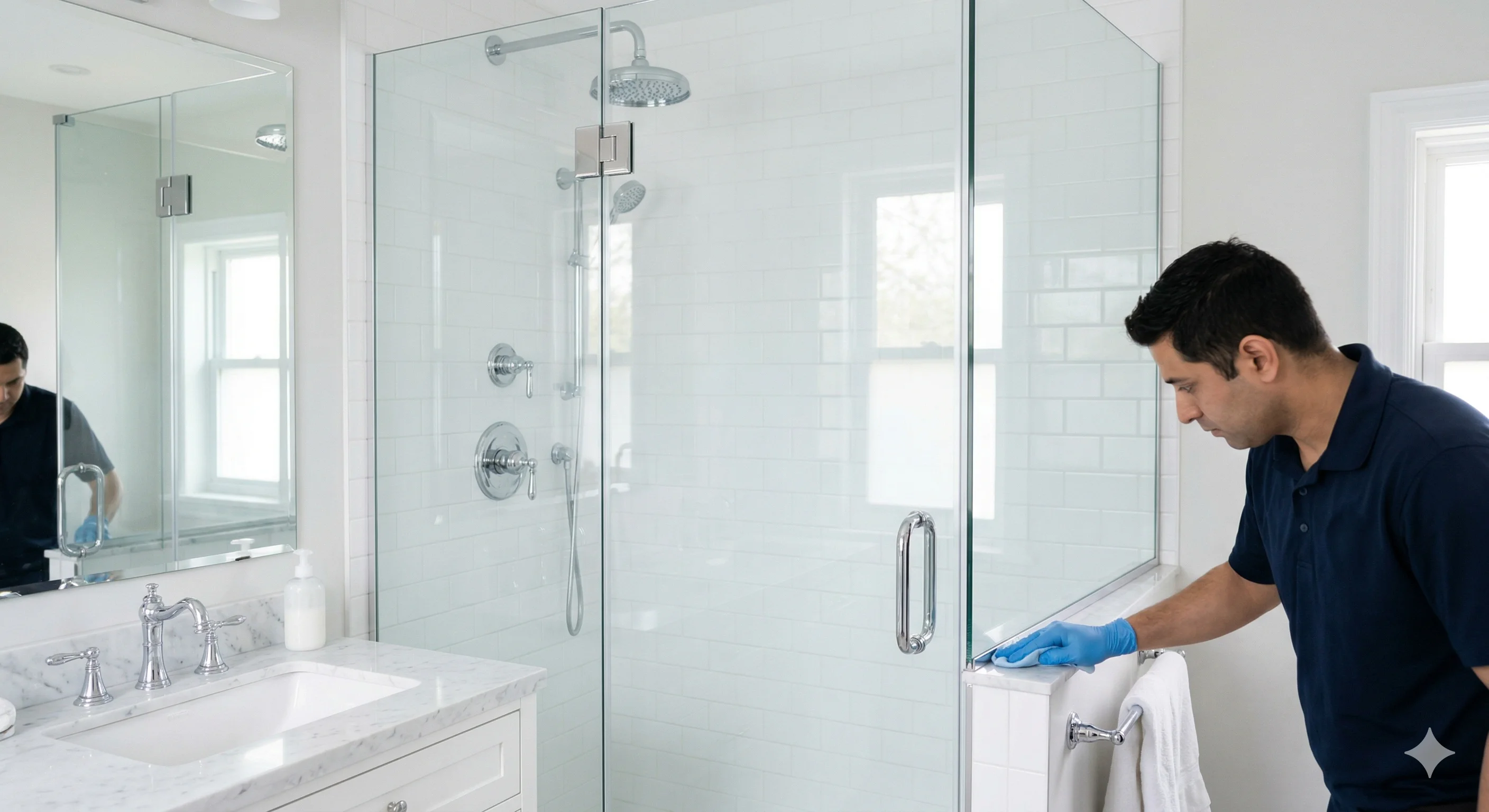
Deep cleaning is usually the right fit when the property needs a serious reset but there is no active hazard involved. The home may be dirty, neglected, greasy, dusty, or overdue for detail work, but the issue is still fundamentally a cleaning problem.
That often includes move-in situations, move-out situations, spring resets, homes with buildup in kitchens and bathrooms, and properties that need to recover from renovation dust or long-term neglect.
Situations That Usually Point to Deep Cleaning
- move-in or move-out reset work
- overdue buildup in kitchens, bathrooms, and living spaces
- spring or annual deep cleaning
- post-renovation dust and residue where there is no active hazard
- homes that need a thorough reset before guests, staging, or listing
When Cleanup Is Not Enough and Remediation Is Usually Needed First
Some situations should not be treated as standard cleaning jobs at all. If the problem includes contamination, active growth, biological waste, or clear health risk, the priority is not making the space look cleaner. The priority is removing or containing the hazard safely.
That is where many people make an expensive mistake. They try to solve a remediation problem with a cleaning service when the real problem needs to be stabilized first.
- grease, grime, dust, residue, and buildup
- post-renovation dust without active contamination
- overdue detail work
- move-in or move-out reset cleaning
- active mold or persistent musty contamination
- sewage backup or blackwater exposure
- heavy rodent droppings, urine, or nesting waste
- biohazard or serious infestation-related contamination
Real Examples of Deep Cleaning vs Remediation Situations
The easiest way to understand the difference is to compare real property situations. Some are clearly cleaning problems. Others are clearly remediation-first problems.
- grease-heavy kitchen after years of neglect
- post-renovation dust and adhesive residue
- move-in reset after a property was left dirty
- bathroom buildup, limescale, and overdue detail work
- musty basement with visible active mold
- sewage backup in a bathroom or basement
- attic or storage area with heavy rodent contamination
- space affected by serious biohazard or infestation waste
Warning Signs That Point to Remediation Instead of Cleaning
These are the situations where it is usually smarter to stop thinking in terms of cleaning only and consider whether remediation is actually the first step.
Visible Mold or Persistent Musty Odor
If the issue looks like active growth or the smell keeps returning, the problem may be deeper than surface cleaning.
Sewage Backup
Blackwater contamination is not a normal cleaning issue. It involves health risk and proper hazard handling.
Heavy Rodent Contamination
Large amounts of droppings, urine, or nesting debris should not be treated like ordinary dirt.
Biohazard Concerns
If bodily fluids, dangerous waste, or contamination risk are involved, remediation protocols usually come first.
Infestation Waste
The mess left behind after a severe insect or pest problem can go beyond what routine cleaning should handle.
Why Many Properties Still Need Deep Cleaning After Remediation
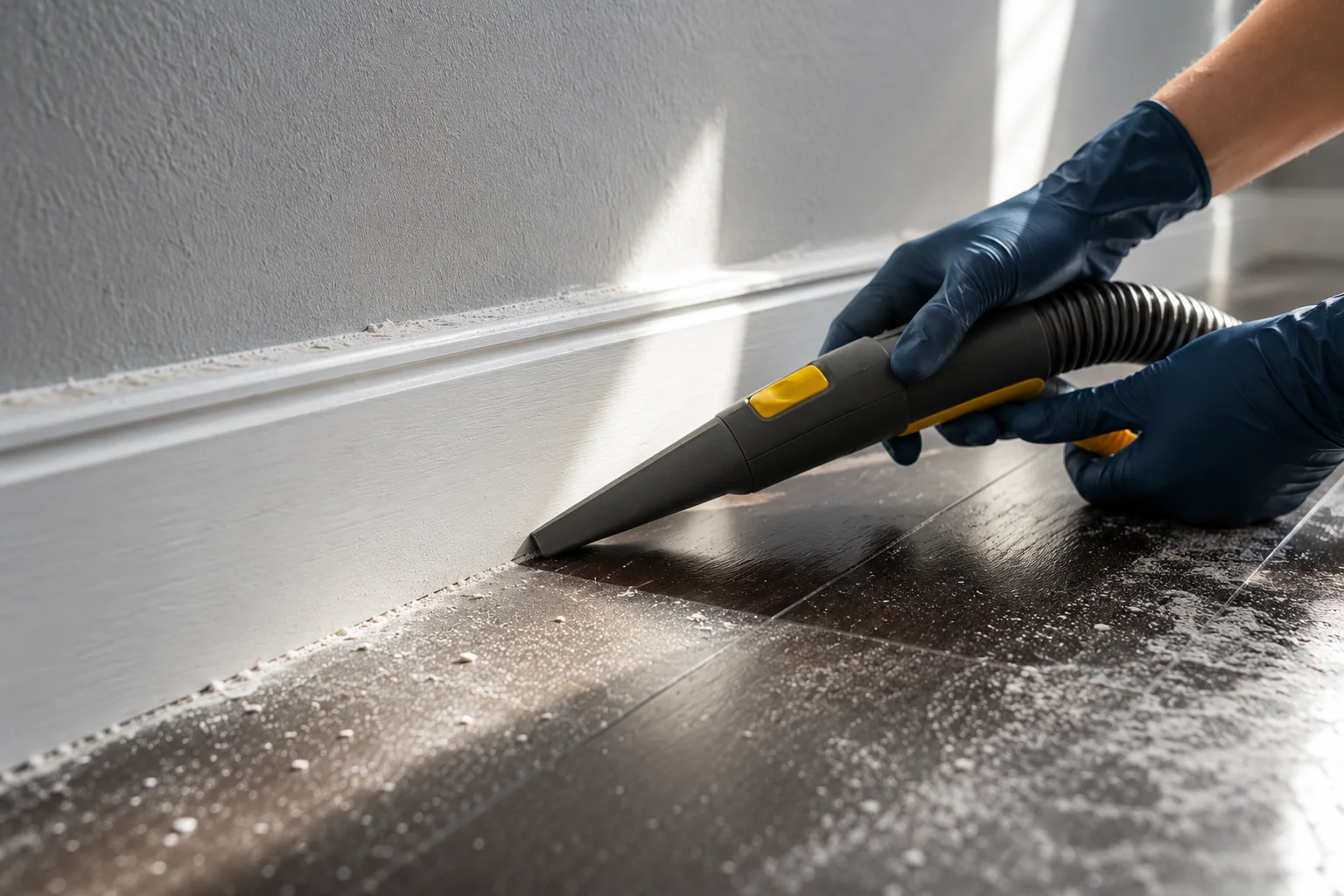
This is one of the most important practical points. Remediation makes the space safer, but it does not always leave the home feeling finished. The dangerous part may be gone, but the property can still feel disrupted, dusty, or far from comfortable.
That is why deep cleaning often becomes the next step. Once the hazard has been removed or contained properly, deep cleaning helps deal with leftover residue, detail work, surface disruption, and the general sense that the home still needs a reset. In post-renovation situations, this finishing stage can look similar to what we describe in our post-renovation cleaning process guide.
The Typical Sequence in More Serious Situations
- inspect the problem properly
- handle remediation first if a hazard is present
- deep clean the remaining space after it is safe to do so
- finish the reset so the home feels usable again
The Gap Between “Safe” and “Actually Clean”
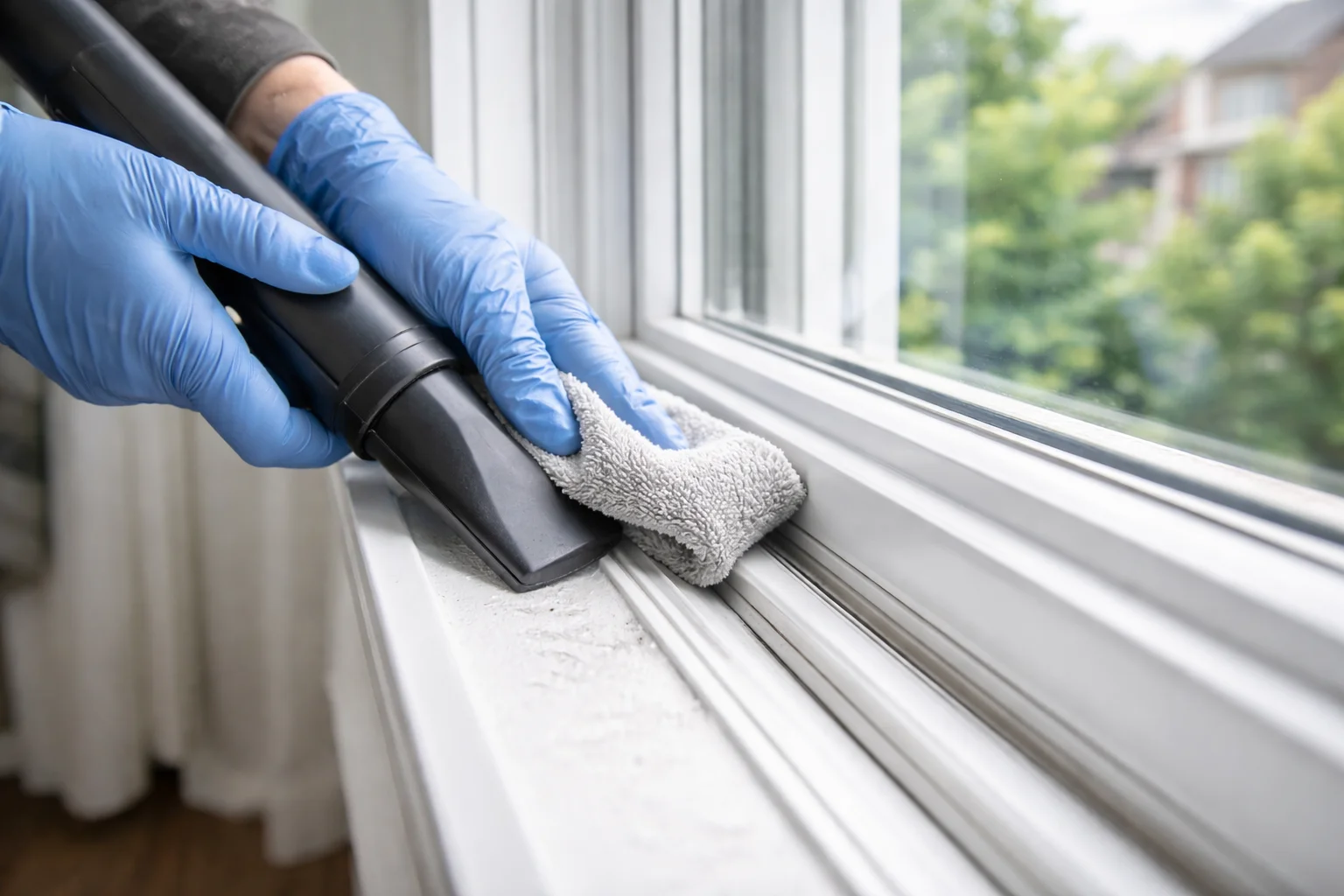
A space can be technically safer after remediation and still not feel comfortable to live in. Fine dust may still be present. Disrupted areas may still look unfinished. Nearby surfaces may still hold residue, streaking, or detail work that was not the remediation crew’s job to handle.
That is where deep cleaning adds real value. It closes the gap between a space that is no longer dangerous and a space that actually feels clean, settled, and ready to use again.
Why Scope Matters So Much in Deep Cleaning vs Remediation
These two categories are priced differently because they solve different problems. Deep cleaning is usually priced around the size, condition, and level of detail in the home. Remediation is usually priced around the seriousness of the contamination, the containment needed, and the complexity of the hazard work.
That is why accurate quoting usually depends on a real assessment. If you want to understand how cleaning scope affects pricing on the cleaning side, our deep cleaning pricing guide explains that more clearly.
How to Decide Which One You Need First
If you are still unsure, ask the simplest question first: is the problem just dirty, or is it unsafe? If it is mostly dirt, buildup, dust, grease, or neglected detail work, deep cleaning is usually the right category. If the problem involves contamination, waste, active growth, or health risk, remediation usually comes first.