
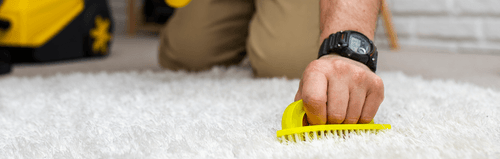
When you first moved into your home, your carpets felt springy, your sofa looked crisp, and your favourite armchair almost hugged you back. Fast-forward a few years of daily life—kids, pets, guests, Netflix—and suddenly everything looks a little dull, flat and tired.
Most people assume that regular vacuuming and the occasional rented machine are enough to keep carpets and upholstery clean. The reality is very different. Soft furnishings act like giant filters in your home: they trap dust, pollen, pet dander, skin flakes, food particles, oils and bacteria deep within the fibres. Over time, these build-ups not only make fabrics look worn, but they can also affect indoor air quality and shorten the lifespan of your investment.
That’s where professional carpet and upholstery cleaning comes in— especially when it’s done with industrial-grade equipment, advanced chemistry and a detailed, European-style approach.
Why Carpets and Upholstery Need More Than a Vacuum
Vacuuming is essential, but it only treats the surface. Even powerful household vacuums struggle with what sits deep in the pile or padding:
- Embedded dust and grit that grind away at fibres like sandpaper.
- Spills and spots that soak into backing and cushions, leaving sticky residue that attracts more dirt.
- Body oils and pet oils that bond to fibres, creating dark lanes, headrest marks and armrest shadows.
- Allergens and bacteria that thrive in warm, slightly damp environments—especially in high-traffic areas.
Over time, these invisible contaminants compress fibres, dull colours and create odours that no amount of air freshener can hide.
DIY shampooers and supermarket machines promise an easy fix, but they often:
- Leave large amounts of detergent residue, which quickly re-soils.
- Over-wet carpets, increasing the risk of mildew and mould.
- Lack the power to properly rinse and extract what they loosen.
A true professional clean solves these problems instead of moving them around.
Our Approach: German Equipment, Safe Chemistry, Detailed Technique
At Let’s Get It Clean, we treat carpet and upholstery cleaning as a technical process, not a quick spray-and-vacuum job. Three pillars define our method:
- Industrial-grade German equipment – high-performance extractors and vacuums that remove deep-down soil and moisture efficiently.
- Professional, safe chemical agents – many German-imported or Canadian-made, selected specifically for fibre type and stain category.
- European-style detailing – we work methodically, edge to edge and seam to seam, not just across the “obvious” areas.
The result is a clean that you can see, feel and breathe.
Step 1: Inspection and Fibre Identification
Before we plug in a single machine, we carefully inspect your carpets, rugs and upholstered furniture. We’re looking for:
- Fibre type – wool, synthetic, natural blends, microfiber, linen, cotton, velvet and more.
- Construction – cut pile, loop pile, shag, flat-weave, tufted, hand-knotted.
- Pre-existing issues – wear lanes, pulled threads, delamination, loose seams.
- Spots and stains – coffee, wine, pet accidents, rust, ink, makeup, grease.
This matters because different fibres and dyes react differently to moisture, heat and chemistry. A wool rug needs another approach than a synthetic living-room carpet; a linen sofa must be treated differently than a performance-fabric sectional.
We test suspicious areas and outline realistic expectations: some old stains may be permanently set, but in most cases we can dramatically improve both appearance and freshness without risking damage.
Step 2: Dry Soil Removal (The Most Important Part No One Sees)
Up to 70–80% of soil in carpets and upholstery is dry particulate: dust, grit, sand, hair and crumbs. If this isn’t removed first, wet cleaning simply turns it into muddy paste.
We use:
- High-filtration German vacuums with strong suction and specialised tools for edges, corners and crevices.
- Beater-bar or turbo tools where appropriate, to vibrate and loosen compacted soil from the base of the pile.
- Upholstery tools to lift dust from seams, tufting, buttons and tight areas where regular attachments can’t reach.
This stage alone often brings back brightness and texture—and it sets the stage for safe, effective wet cleaning.
Step 3: Targeted Spot and Stain Treatment
Not all stains are created equal. Coffee, wine, tea, rust, ink, grease and pet accidents each require specific chemistry and technique. Using the wrong product can “set” a stain permanently.
We apply professional spotters tailored to the issue:
- Tannin removers for coffees, teas and wines.
- Protein and enzyme treatments for food, blood and pet accidents.
- Solvent-based products for sticky residues, oils and cosmetics.
- Rust and mineral removers where needed.
Each product is carefully controlled and neutralised, preventing colour loss or ring marks. This is where our German and Canadian cleaning agents shine—they’re formulated for professional use, balancing power with fibre safety.
Step 4: Pre-Conditioning and Agitation
Once the worst spots are treated, we apply a pre-conditioning solution across the carpet or upholstery. This carefully diluted cleaning agent:
- Loosens bonded soils and greasy films.
- Emulsifies oils and residues so they can be rinsed away.
- Starts breaking down odour-causing substances.
We work the solution gently into the fibres using soft brushes or mechanical agitation tools, depending on the material. This step maximises the effectiveness of our main rinse, meaning we can use gentler chemistry overall.
Step 5: Hot Water Extraction or Low-Moisture Cleaning
With soils suspended, we remove them using one of two primary methods.
Hot Water Extraction (HWE) – “Steam Cleaning”
Despite the common name, we’re not blasting your carpets with uncontrolled steam. We use carefully controlled hot water extraction, which:
- Sprays a rinse solution into the fibres at regulated pressure.
- Immediately extracts soil and moisture with powerful vacuum suction.
- Flushes out cleaning agents, suspended dirt and allergens.
Our German-engineered machines deliver strong, consistent vacuum power, which means faster drying times and less risk of over-wetting.
Low-Moisture or Encapsulation Cleaning
For certain commercial carpets or delicate fabrics, we may use low-moisture methods. These involve:
- Special encapsulation detergents that crystallise dirt.
- Mechanical agitation to distribute the product.
- Post-vacuuming to remove the resulting brittle residues.
We choose the method that makes sense for your materials, usage and expectations—never a one-size-fits-all approach.
Step 6: Upholstery Cleaning – Sofas, Chairs and More
Upholstery often needs even more care than carpets. Fabrics are thinner, padding behaves differently, and over-wetting can leave water marks or cause shrinkage.
Our upholstery cleaning process typically includes:
- Detailed vacuuming of all surfaces, seams, crevices and cushions.
- Fibre-safe pre-sprays and hand agitation with soft brushes.
- Low-moisture rinse extraction using specialised upholstery tools.
- Attention to headrests, armrests and seat fronts, where body oils and dyes transfer most.
We also clean dining chairs, ottomans, sectionals, accent chairs and some headboards, using chemistry matched to the specific fabric.
Step 7: Grooming, Speed Drying and Final Inspection
After extraction, we:
- Groom carpets with a carpet rake to lift the pile, speed drying and give a uniform appearance.
- Set up air movers where needed to accelerate drying, especially on thick carpets or deep cushions.
- Re-check and, if necessary, re-treat any remaining spots.
Finally, we walk the space with you, pointing out what was done, where improvements were most dramatic and how to care for the surfaces going forward.
How Often Should You Clean Carpets and Upholstery?
The right frequency depends on traffic, pets, allergies and lifestyle, but a good general guideline is:
- Carpets in main living areas: every 12 months (or every 6–9 months with kids and pets).
- Area rugs: every 12–18 months, more often in entryways or dining rooms.
- Upholstery: every 12–24 months, depending on usage.
Regular professional cleaning doesn’t just keep things looking good; it can extend the life of your carpets and furniture, delay replacement and help maintain a healthier indoor environment.
Why Choose Let’s Get It Clean for Carpet & Upholstery Cleaning?
There are plenty of companies offering carpet cleaning, but our approach is different:
- Industrial-grade German equipment extracts more soil and moisture than basic portable units or rental machines.
- Professional, safe chemicals—many imported from Germany and made in Canada—are chosen for your specific fibres and stains, not used “one-size-fits-all”.
- European-style detailed cleaning means we work edge-to-edge, vacuum every corner, treat seams, steps, landings and furniture sides, not just the “visible” centres.
- We treat your home with the same respect we expect in ours: shoe covers, corner guards, protectors under hoses, and clear communication throughout the job.
Ready to Refresh Your Carpets and Furniture?
If you’d like to restore the softness and brightness of your carpets and furniture—and know they’ve been cleaned safely and professionally— we’d be happy to help. A proper carpet and upholstery deep clean lets you enjoy your space again, without the hidden dust and odours.
To see what’s included in our service and request a tailored quote, visit our dedicated page: Carpet & Upholstery Cleaning by Let’s Get It Clean.
Request a carpet & upholstery estimate